
The Boy Nobody Remembered
Nobody paid attention to the thin boy from the small town.
He had no famous uncle, no ancestral business, no powerful surname that opened doors. He was just another face from a dusty coastal neighbourhood in Kerala — a place where ambition often died quietly, drowned by the sound of the Arabian Sea.
His father worked hard. His family was modest. But the boy — barely a teenager — had something invisible burning inside him. A fire no one could see, but everyone would eventually feel.
At an age when most boys were still figuring out school, he was already watching how money moved. How goods were sold. How some men stayed poor and others-built empires. He didn't read books about it. He observed life.
When he was still young enough to be called reckless, he left. No grand farewell. No guarantee of return. Just a one-way ticket, borrowed courage, and a single question echoing in his chest:
" What if I could build something so big, the whole world had to walk through it? "
He landed in a foreign land where nobody knew his name. Where the language was different. Where the heat was different. Where everything was different — except his hunger.
That hunger would one day feed millions.
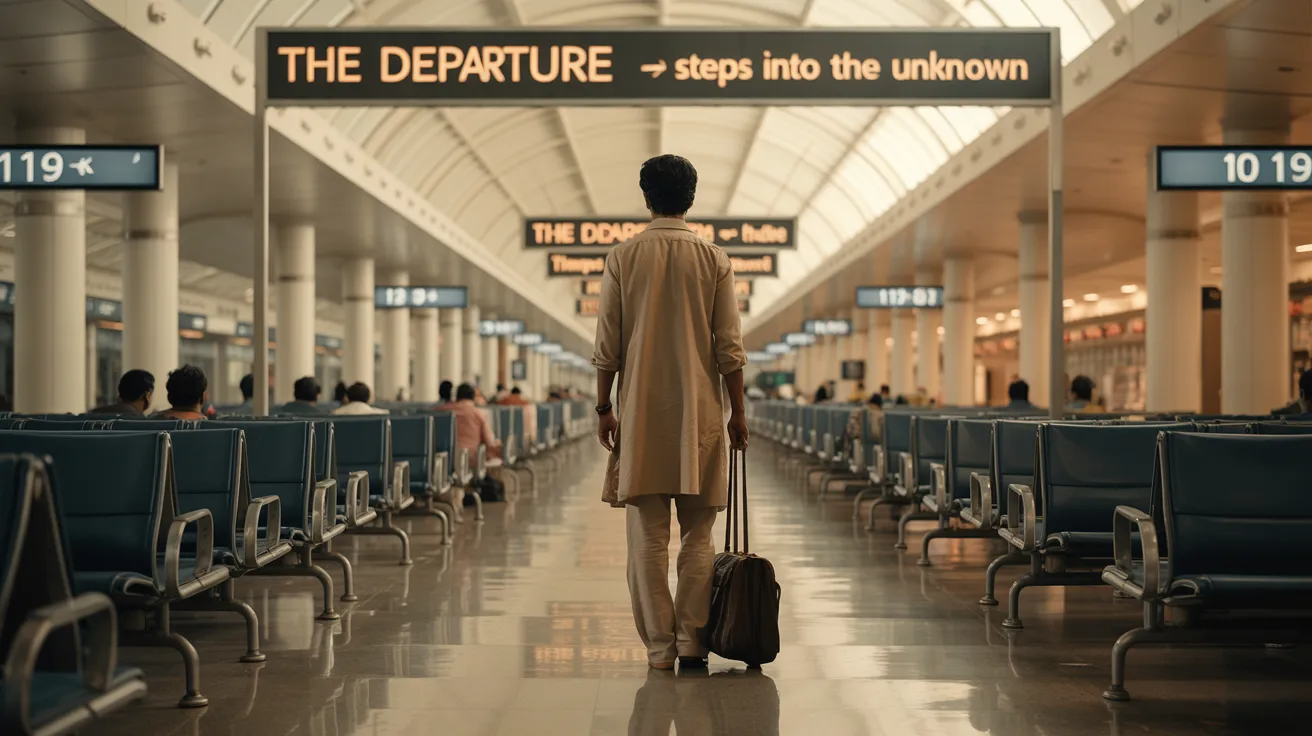
The City That Didn't Care Who You Were
Abu Dhabi in the 1970s was a city being born. Oil money had arrived. Construction cranes dotted the skyline like metal giants. Everything was being built — except a place where people could buy everything under one roof.
He started from the ground. Literally. He worked in a supermarket — stacking shelves, counting inventory, learning the language of retail not from textbooks but from the cold logic of supply and demand. Every product that moved, he studied. Every customer who lingered, he watched.
Others saw a job. He saw a blueprint.
Within years — not decades, years — he had moved from employee to partner to owner. He opened his own small store. Then another. And another. Each time reinvesting, each time expanding, each time refusing to believe that the ceiling above him was real.
The Obsession That Built an Empire
Those close to him say he was obsessive about one thing: the customer's experience. He wanted people to feel something when they walked into his store. Not just convenience — wonder. He wanted a family from Lucknow, a couple from Cairo, a businessman from London to all walk in and think the same thing:
" I didn't know shopping could feel like this. "
That obsession drove him to design spaces that were not just stores — they were destinations. Air-conditioned palaces at a time when heat was the great equalizer of the Middle East. Wide corridors. Organized chaos. Thousands of products from dozens of countries. Food courts. Entertainment. All under one roof.
He was not just selling groceries. He was selling a feeling.
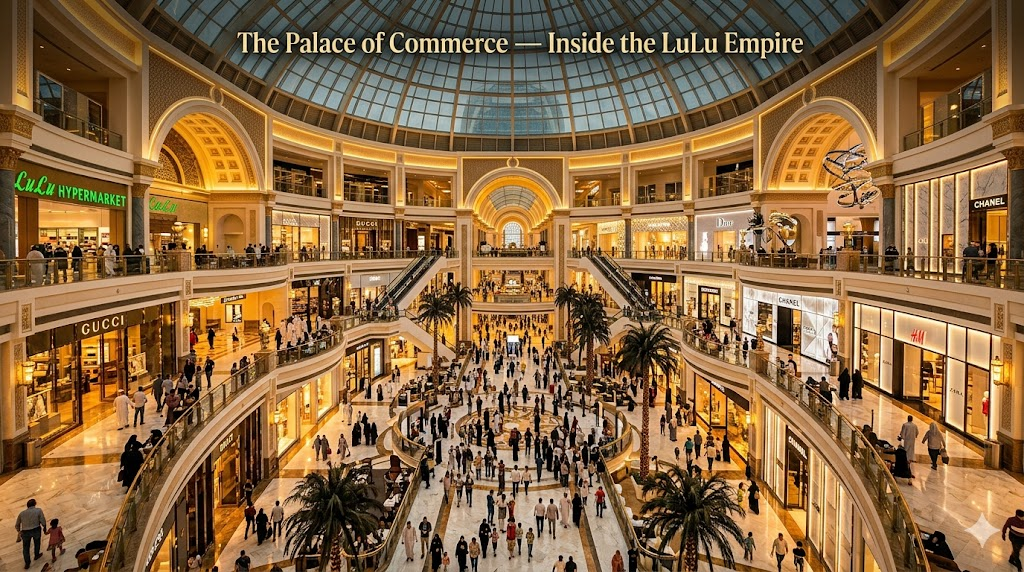
The Number Nobody Believed
Somewhere around the late 1990s, people stopped doubting him. Because the numbers had become undeniable.
What began as a single trading company in Abu Dhabi had grown into a retail network spread across the Middle East — UAE, Qatar, Oman, Kuwait, Bahrain, Egypt. And then the dream turned homeward.
He came back to India. But not as the boy who left. As someone who would forever change how 1.4 billion people experience shopping.
India Hadn't Seen Anything Like It
When his malls started opening across Indian cities — Kochi, Hyderabad, Bengaluru, Lucknow — something extraordinary happened. People didn't just shop. They came in families, in groups, on Sundays. They brought their parents. They brought first dates. They took photos inside. They made memories inside.
A mall had become a cultural event.
His name? Yusuf Ali M.A. — or as the world came to know him: M.A. Yusuf Ali, the Chairman and Managing Director of LuLu Group International.
📊 THE LULU GROUP — BY THE NUMBERS (2024–25)
Annual Revenue: ~$8 Billion USD
Countries of Operation: 22+ countries across Middle East, Asia & Europe
Hypermarkets & Malls: 250+ LuLu Hypermarkets | 10 LuLu Malls
Employees Worldwide: Over 57,000 people
India Presence: Malls in Kochi, Hyderabad, Thrissur, Bengaluru, Lucknow & more
Net Worth (Yusuf Ali M.A.): ~$4.2 Billion USD (Forbes estimate)
The Secret Nobody Talks About
Ask anyone who has worked closely with Yusuf Ali and they'll tell you the same thing: he remembers people. Not just numbers. Not just deals. People.
In a world where billionaires are often accused of losing their humanity as they gain their wealth, he is an anomaly. He is known for walking store floors unannounced. For talking to floor staff. For remembering the name of a worker, he met three years ago in a different country.
" He built an empire, but never stopped acting like someone who knew what it felt like to have nothing. "
That, people say, is the real secret. Not strategy. Not timing. Not capital. Empathy — kept alive across five decades of growth.
His philanthropy mirrors this. Through the LuLu Group's CSR initiatives, he has funded education, healthcare, and social welfare across India and the Gulf. Thousands of students study today because of scholarships his group has funded silently, without press releases.
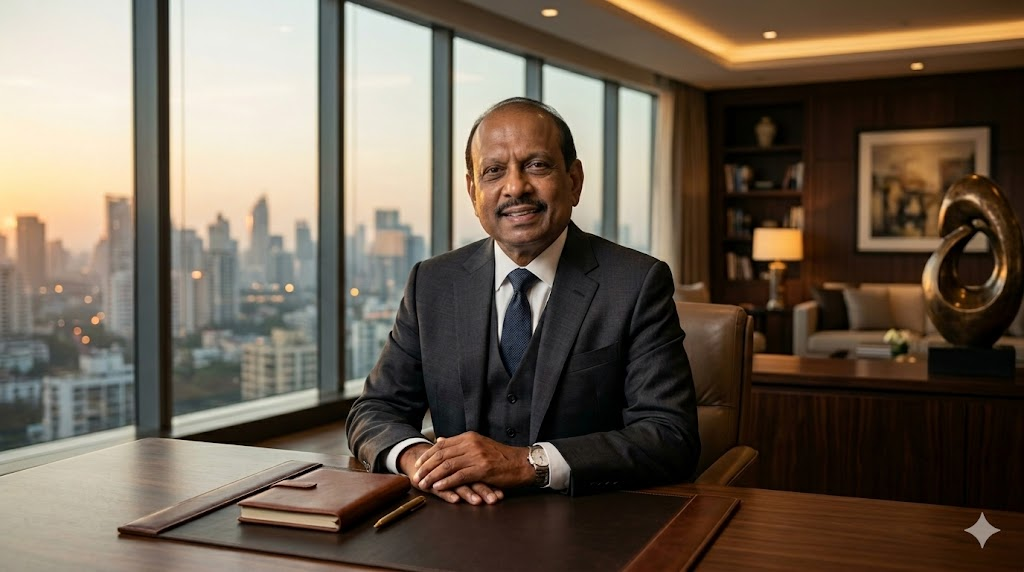
What He Would Tell the Boy Who Left
If the man he is today could speak to the boy who stood at that airport with nothing, what would he say?
Those who know him well believe he would say very little. Because Yusuf Ali is not a man of grand speeches. He is a man of grand actions.
But perhaps he would say this: the world is larger than any small town. The ceiling is not where you think it is. And the only difference between the person who changes history and the person who watches it change — is the decision to not go back.
" Don't build a business. Build something that outlives you. Build something that changes how people live. "
Today, LuLu Group is not just a retail brand. It is an institution. A cultural touchstone across two continents. A proof of concept for every first-generation dreamer who ever wondered whether someone like them could build something the whole world walks through.
The answer is stacked on $8 billion worth of shelves — and it says: Yes.