
The kind of heat that makes the road shimmer. Your throat is dry. Your shirt is already soaked.
Three men never forgot that feeling. That memory, ordinary, sweaty, and nostalgic, quietly became the foundation of something extraordinary.
Three Men. One Obsession. No Business Plan.
They asked themselves a question that seemed almost too simple:
Not chai. Not lassi. Not mango juice. Something more specific the carbonated, spiced, tangy soda that belonged to the streets of North India.
The drink you found at dhabas and banta stalls. It had no brand name, no quality control, and no shelf life.
He began to try things out.
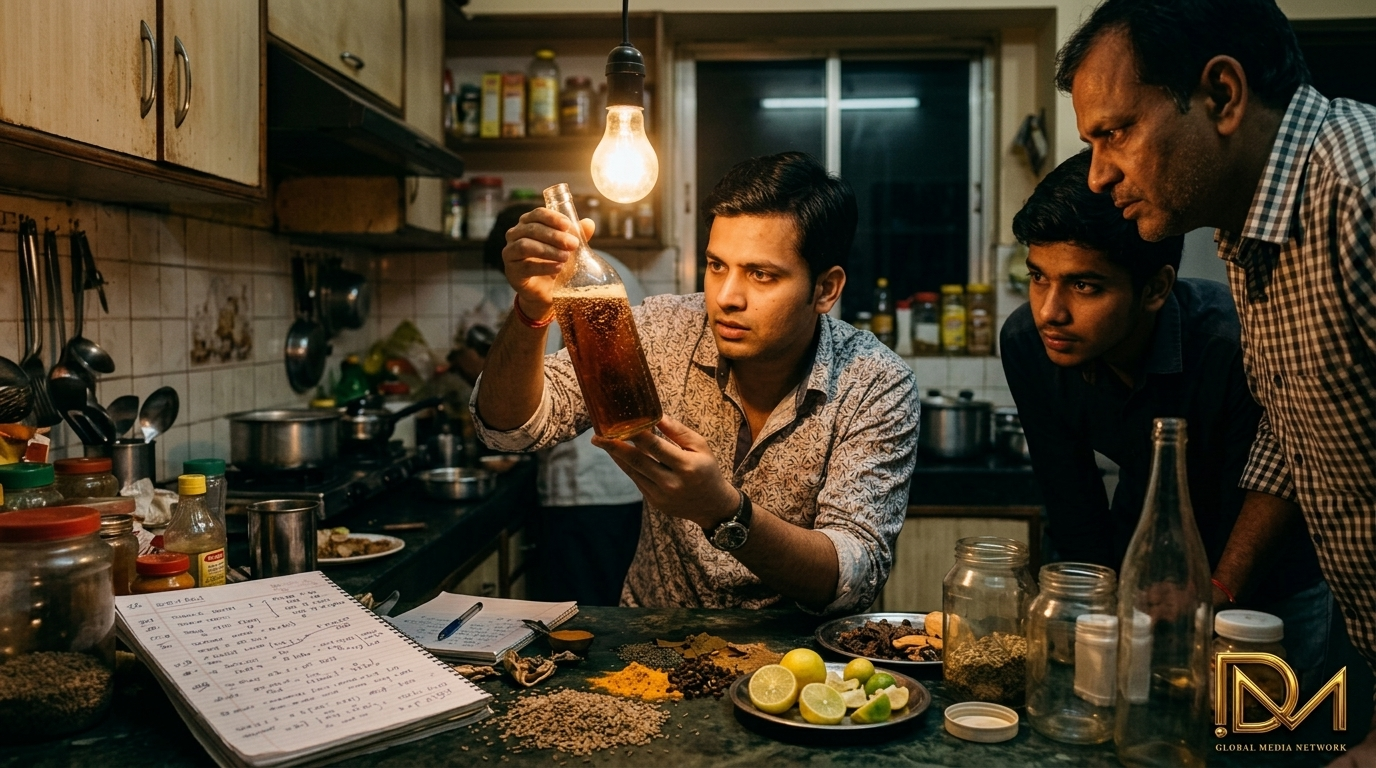
The Market No One Wanted to Touch – And Why That Was the Opportunity
Here’s something the big beverage companies knew about but chose to ignore:
The Indian non-alcoholic beverage market was estimated to be worth over $6 billion even before 2020. Growing each year. Millions of new consumers on the market.
And yet the ethnic spiced soda segment? Completely deserted by organized players.
Take a moment to consider that. A country of 1.4 billion people where jeera pani, jaljeera, shikanji and banta are an integral part of the cultural fabric of everyday life – and not a single credible, hygienic, mass-produced brand existed to cater to that taste.
The cousins in Chandigarh saw the divide. They came in.
From Kitchen Experiments to Store Shelves – Minus One Investor
What followed is antithetical to the modern Silicon Valley startup mythology of term sheets and seed rounds.
They began small. Today's standards are embarrassingly small. Small scale manufacturing unit in Punjab. Some local distributors. Glass bottles for Rs 10. Not as a gimmick but as a genuine commitment that this drink should be available to the aam aadmi, the everyday Indian, not just urban middle class consumers.
They went to places the big brands never bothered with."
Tier-2 Cities . Third-tier cities rural belts where a cold, spiced soda on a summer afternoon isn’t a lifestyle choice, it’s a reprieve.
For five years five long years they did not take a single rupee from outside investors.
No venture capitalists. Don't forward WhatsApp bank loan myths. No government subsidy. Just revenue re-invested back into the business, a growing network of distributors, and an almost stubborn belief that the product would speak for itself.
The product had voice. Loud.
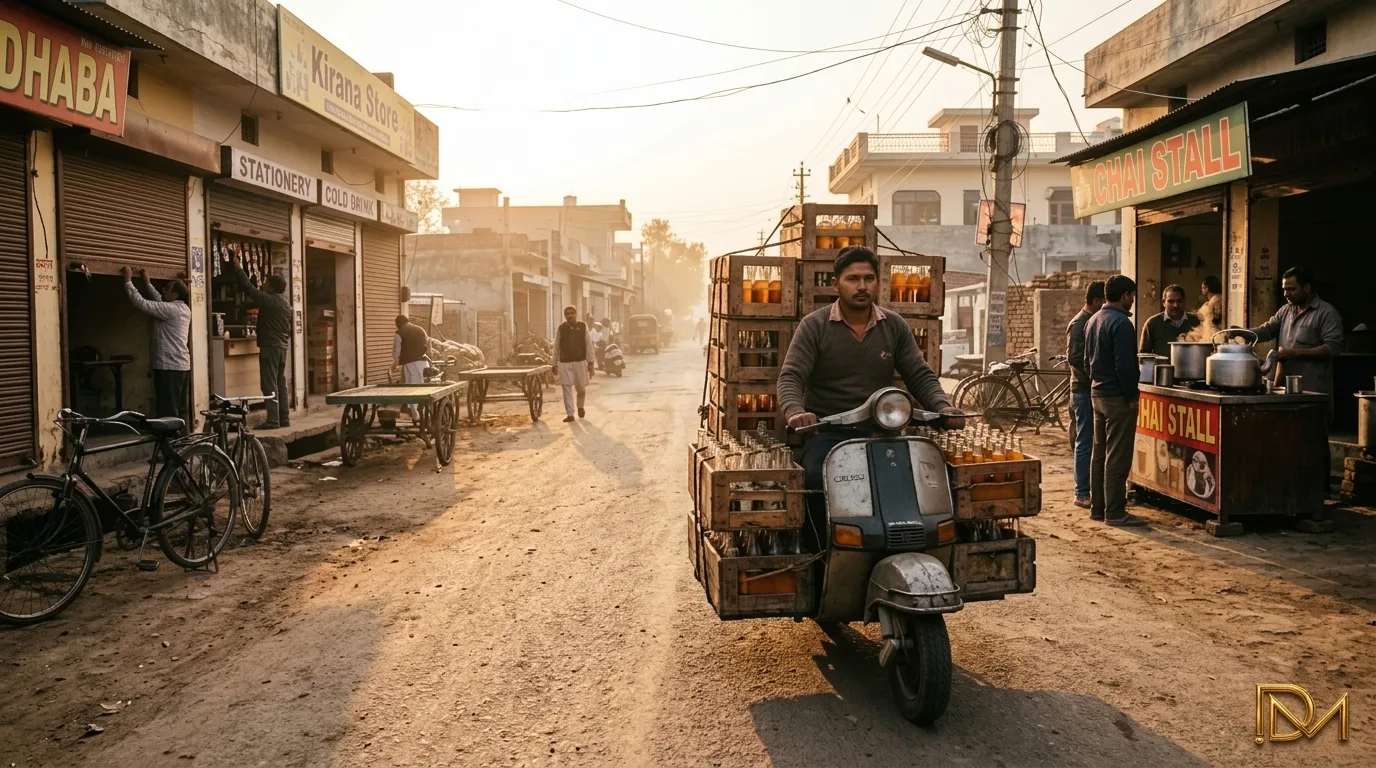
The Viral Lie You Probably Heard
If you’ve ever scrolled through social media, you’ve probably seen this:
The brand began with a bank loan of Rs 19 crore and grew to a Rs 2,800 crore empire.
Sounds so amazing. It cruises fast. It’s shared with fire emojis and “hustle” captions.
That is not so.
There is no verified source, no news article, no founder interview, and no regulatory filing which confirms any ₹19 crore startup loan. That’s a claim that exists only in the frictionless world of viral content, where accuracy is traded off for shareability.
The real origin story requires no embellishment. A kitchen. No outside funding for half a decade. Slow, grinding, market-by-market growth built entirely on product quality and distribution discipline.
That story is harder to fit into a caption. But it is far more instructive.
The Numbers, Stripped of Mythology
By the time external investors finally arrived, the business had already proven itself:
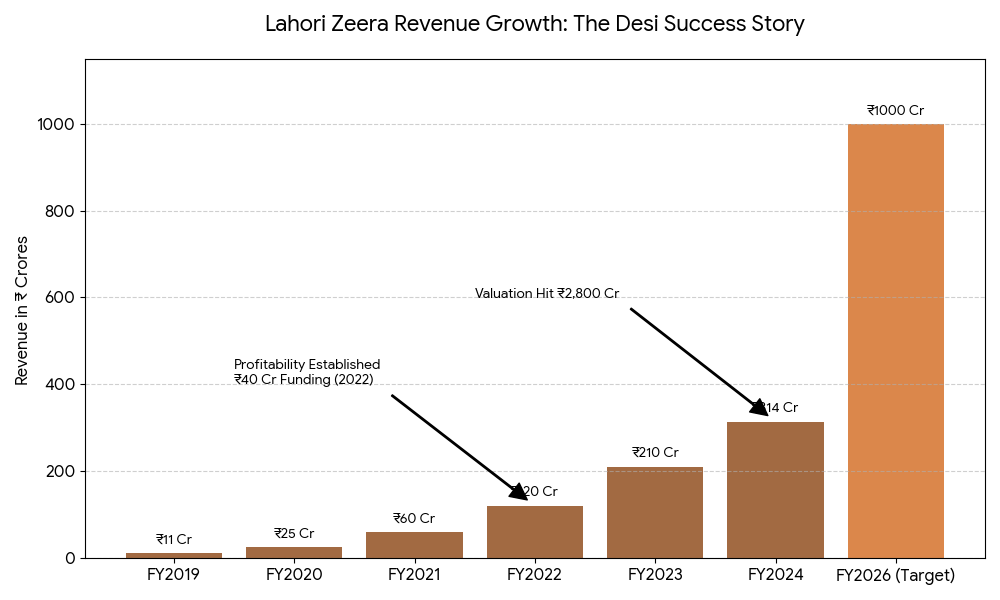
Lahori Zeera: The "Desi Drink" Growth Journey
| Metric / Milestone | Details |
| FY2019 Revenue | ₹11 Crore — Initial bootstrap phase. |
| FY2024 Revenue | ₹314 Crore — Massive 28x growth achieved without any major media campaigns. |
| FY2026 Target | ₹1,000 Crore — Next major annual revenue goal. |
| First Institutional Funding | ₹40 Crore (2022) — Secured from a Belgian family investment office after establishing profitability. |
| Company Valuation | ₹2,800 Crore — Reached following a second, significantly larger funding round. |
At peak summer, the company ships over 50 lakh bottles every single day. Not monthly. Daily.
And through all of this — even after multiple funding rounds — the three founding cousins retained over 70% ownership of the company. In a startup ecosystem where founders routinely dilute themselves into minority stakes chasing growth capital, this number is almost unbelievable.
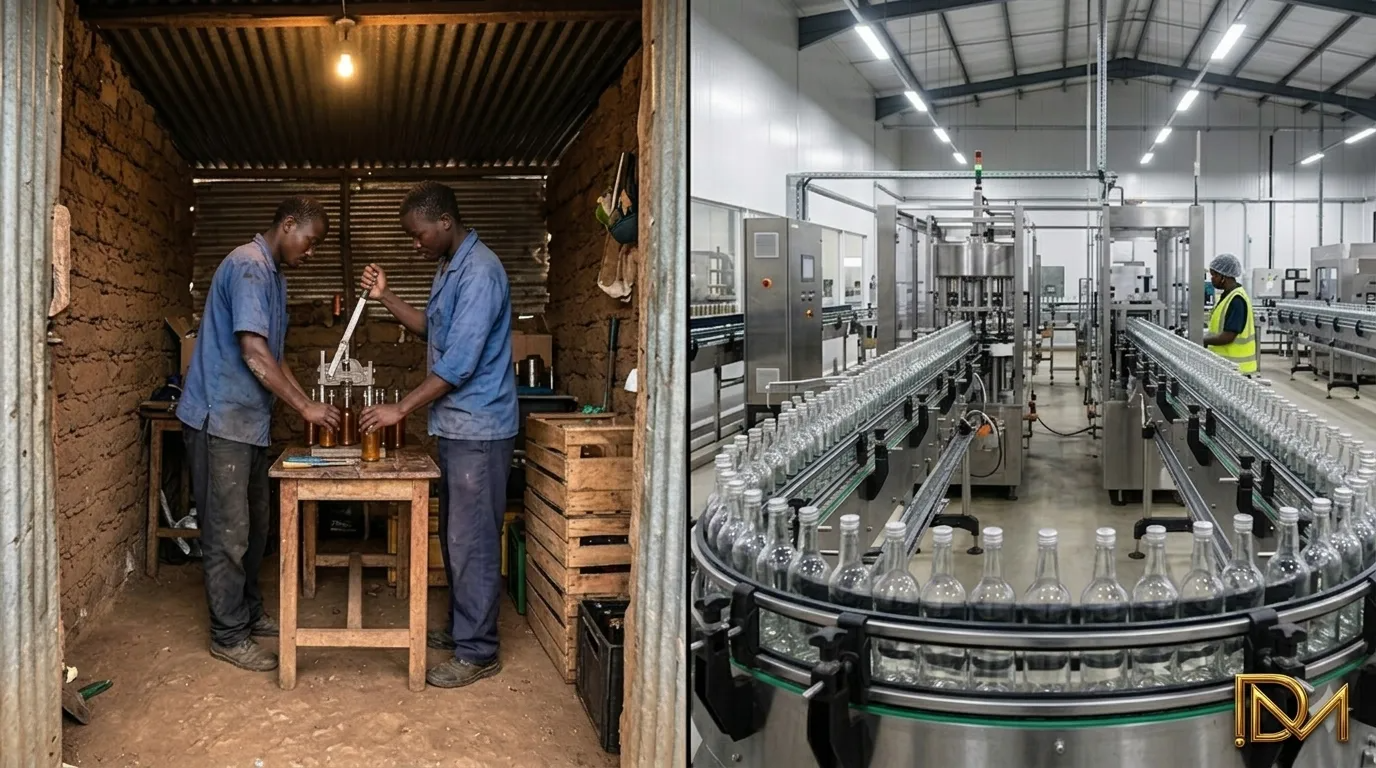
What Actually Built This Brand
There are three things that turned a kitchen experiment into a category-defining company and none of them are the things startup culture usually celebrates.
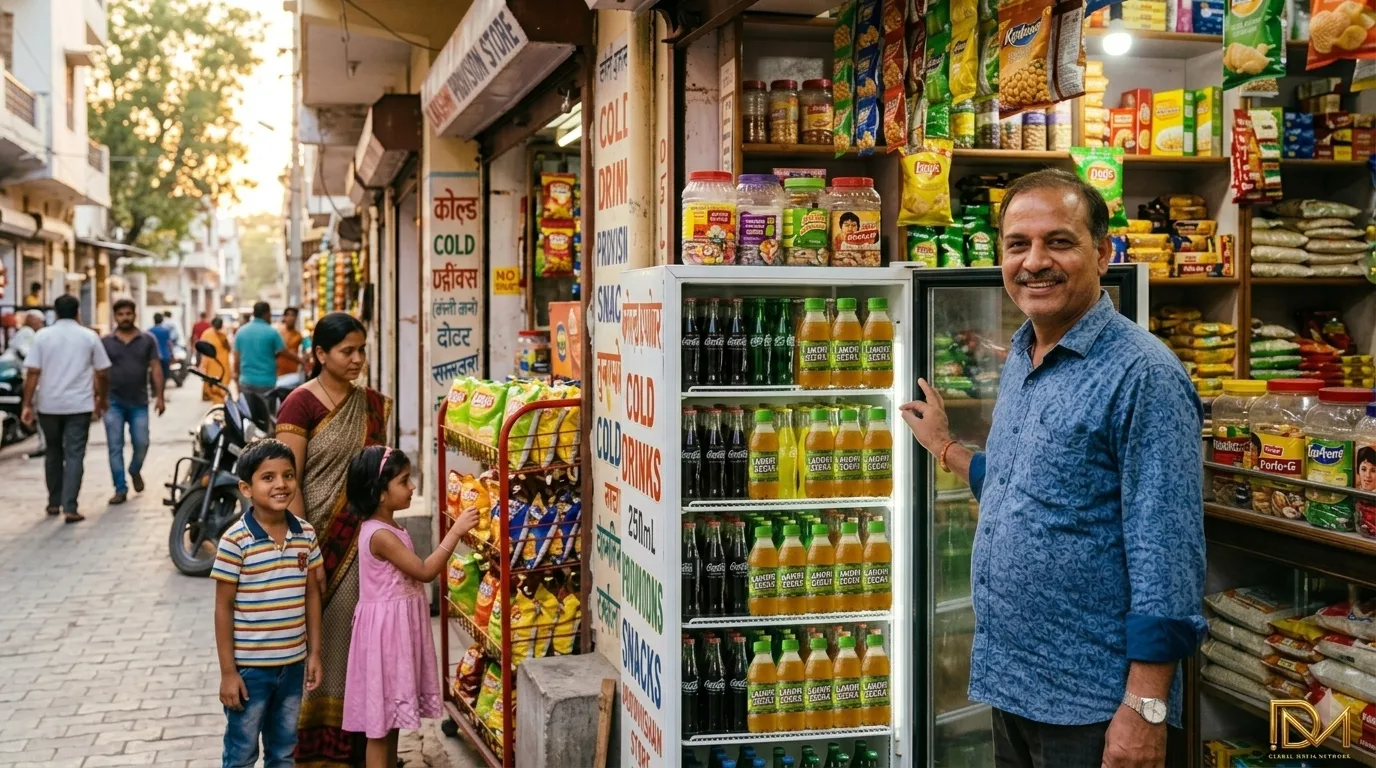
First: They chose the forgotten customer. Not the metro consumer with disposable income and a Zomato account.
The person in Ludhiana, in Gorakhpur, in Jaipur's old city lanes the one who grew up on roadside flavors and had never been offered a clean, branded version of what they already loved.
Second: They priced for access, not aspiration. ₹10 per bottle.
That number was not a marketing stunt.
It was a philosophical stance: this drink belongs to everyone. Keeping it there against the pressure of rising input costs and investor expectations required genuine conviction.
Third: They scaled infrastructure before scaling ambition. Four large-scale bottling units. Full automation. End-to-end production with zero human touch on the product line.
They understood, early, that in FMCG, distribution and manufacturing capacity are the product. You can have the best flavor in the world; if you can't get it cold and fresh to a shop in a small town by Tuesday morning, none of it matters.
The Myths That Won't Die
The internet has generated several additional fictions around this brand. Worth addressing:
"It's government supported." No. Entirely privately funded, entirely founder-led.
"They're about to IPO." As of 2026, no IPO has been announced or confirmed.
The company is in aggressive expansion new facilities in multiple states, plans to enter Gulf markets but no public listing date exists.
"The drink is just jeera soda with good packaging."
This one is the most dismissive and the least accurate. The formulation involves real cumin, black salt, pepper, and other natural spices that have genuine digestive benefits.
The consistency, the hygiene, and the cold-chain logistics behind every bottle represent years of operational refinement that no street vendor could replicate.
What InventionDM Takes Away From All of This
We study brands at InventionDM because brands real ones, built with intention are the most durable competitive moats in existence.
This particular story carries a lesson that applies to every founder, every marketer, and every entrepreneur reading this in 2026:
The best market to enter is not the most glamorous one. It's the most neglected one.
Someone, somewhere, is sitting in a city you're not thinking about, drinking a flavor you've dismissed as "too local," buying from a vendor you've never tracked on an analytics dashboard.
That person is a customer. They have money. They have loyalty. And they have been waiting, for years, for someone to take them seriously.
The cousins from Chandigarh took them seriously.
The market responded accordingly.
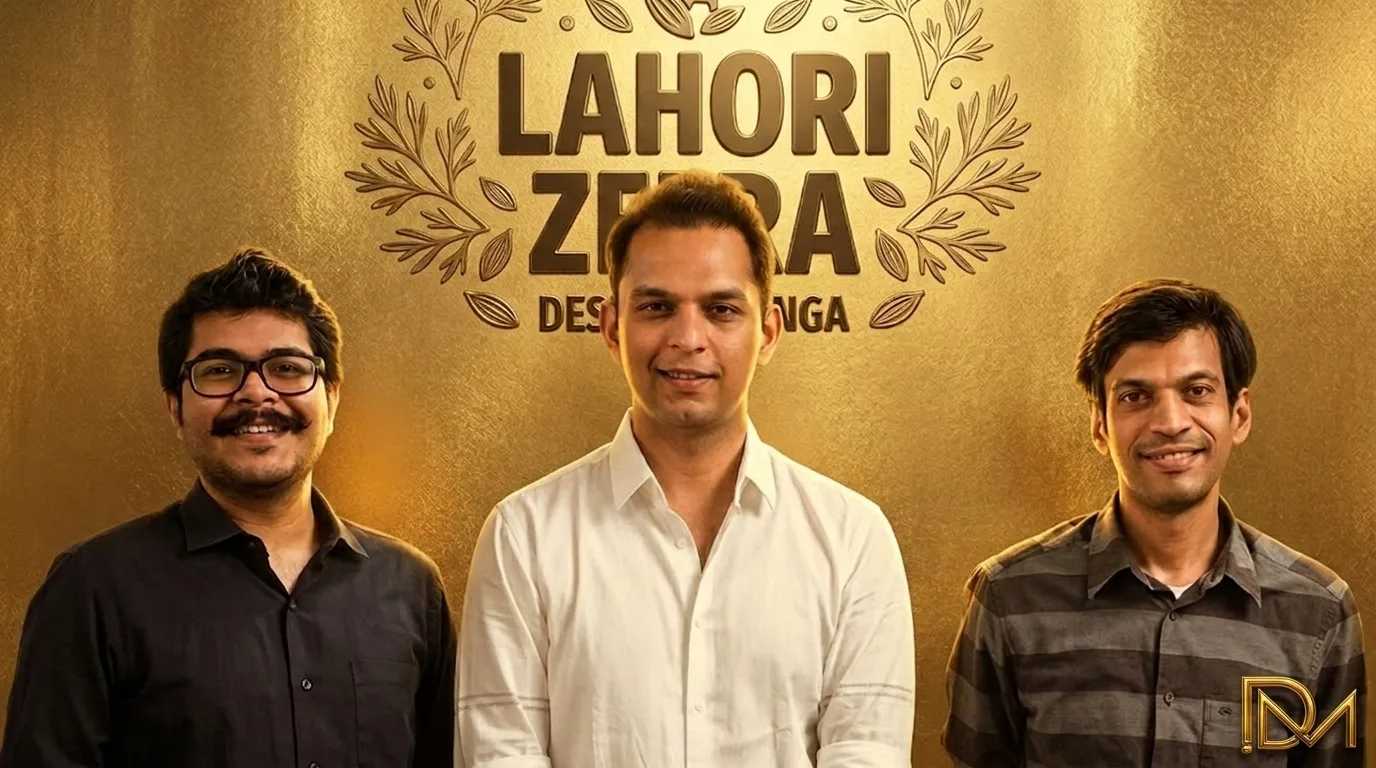
The Founders
| Name | Designation |
|---|---|
| Saurabh Munjal | Co-Founder & CEO |
| Nikhil Doda | Co-Founder & COO |
| Saurabh Bhutna | Co-Founder |
Three cousins. One shared memory. One decision to act on it.
The drink was always there. The flavor lived in every Indian childhood. The craving existed in hundreds of millions of people.
All it took was three cousins stubborn enough to stop waiting for someone else to do something about it.
Some of the best business ideas don't come from market research reports.
They come from the hottest afternoon of your childhood, a cold fizzing glass in your hand, and the unmistakable feeling of home.