
India’s digital space may be entering a new phase.
A fresh draft amendment to the Information Technology (Intermediary Guidelines and Digital Media Ethics Code) Rules, 2021 was released for public consultation in late March 2026.
The consultation window was kept open until 14 April 2026. According to public reporting, the draft could widen government oversight over online content, especially content related to news and current affairs.
So what is the big concern?
The biggest worry is simple:
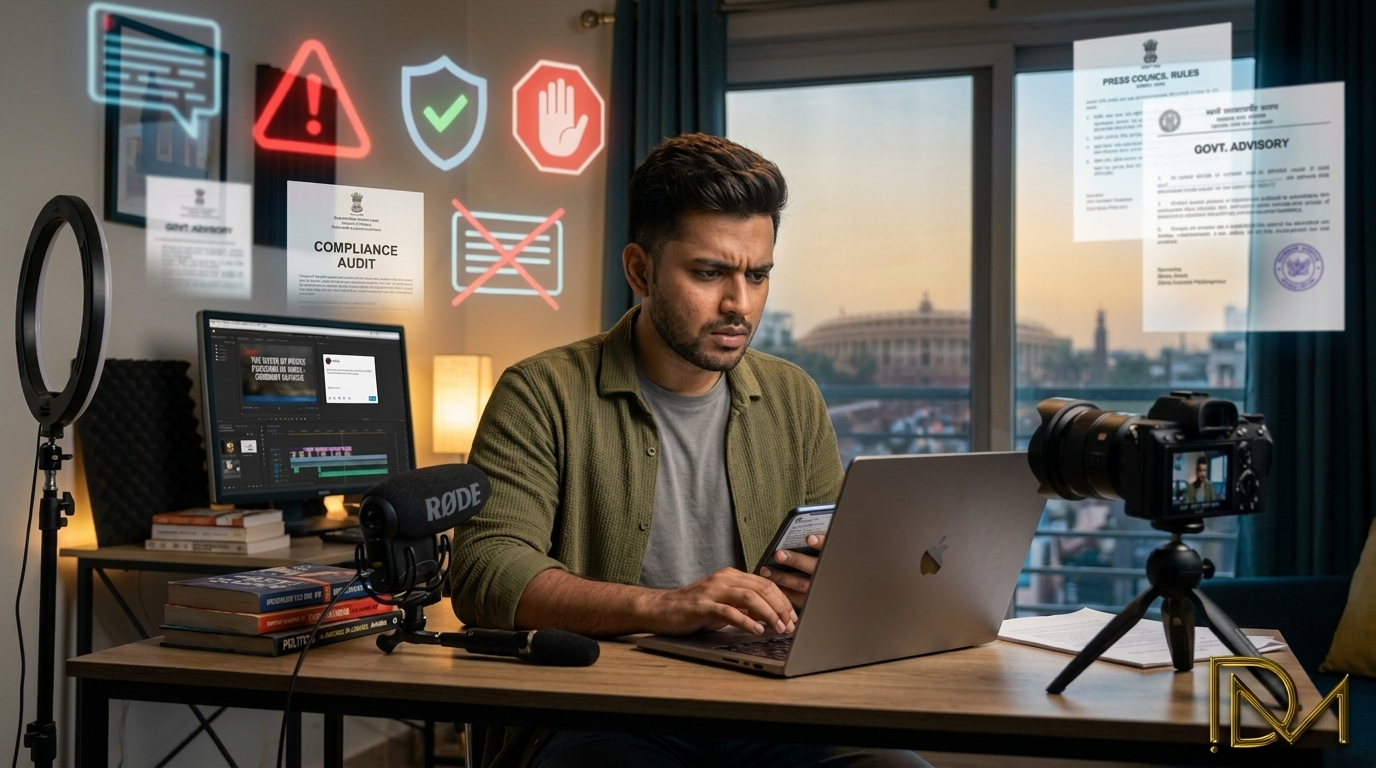
If an ordinary person posts, comments, explains, or creates videos about current events, politics, public issues, or breaking news, that content may no longer be seen as “just social media content.”
It could fall into a framework that was earlier meant more clearly for publishers of news and current affairs. Critics say this could blur the line between a journalist, a news platform, and an everyday creator with a phone and an opinion.
In plain words, this means a YouTube explainer, an Instagram reel about a protest, an X thread about a government scheme, or even commentary on a public controversy may attract more scrutiny than before.
For creators, that feels like a major shift. What was once seen as user expression may now be treated much more seriously under digital regulation.
Why are people calling it digital censorship?
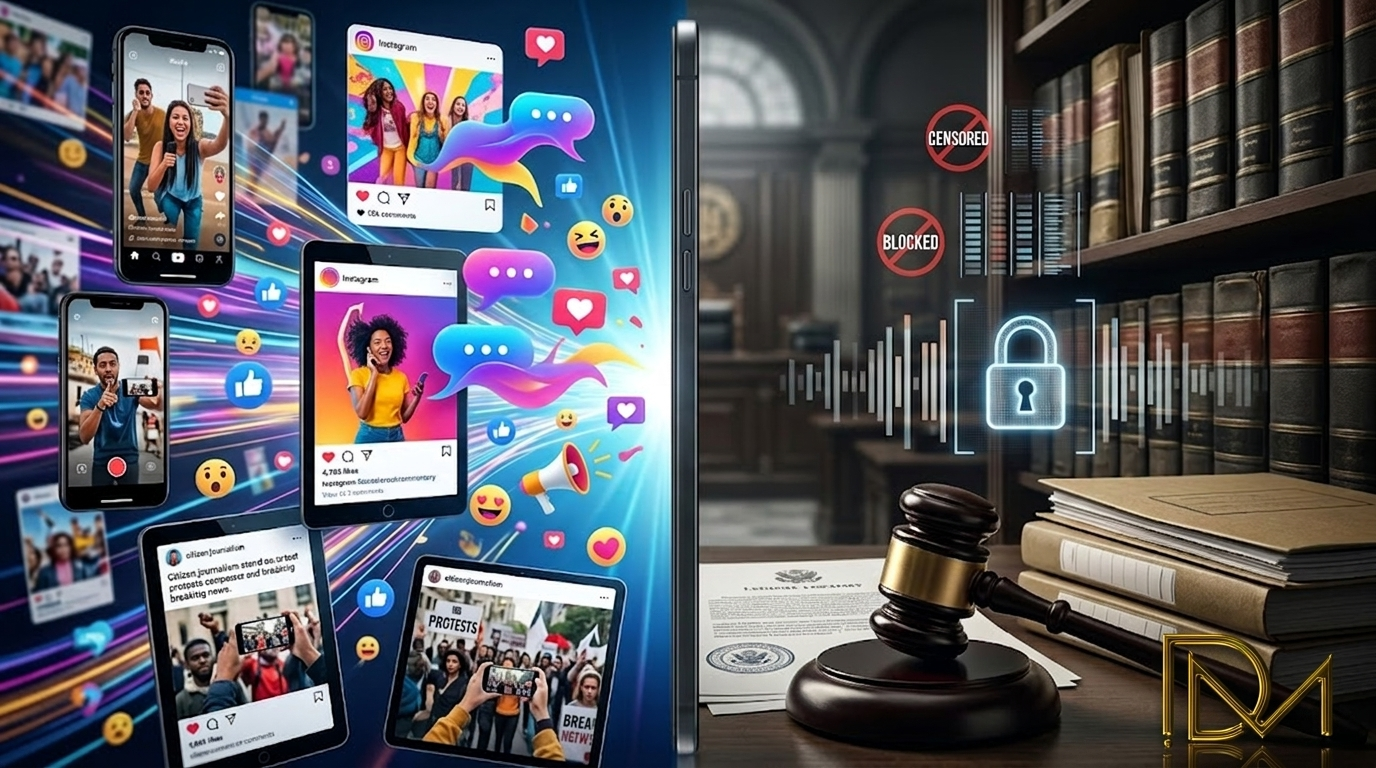
Because many experts fear that stronger platform liability can lead to over-censorship.
The draft reportedly ties compliance more closely to safe harbour protection — the legal shield that protects platforms from being treated as the publisher of every user post.
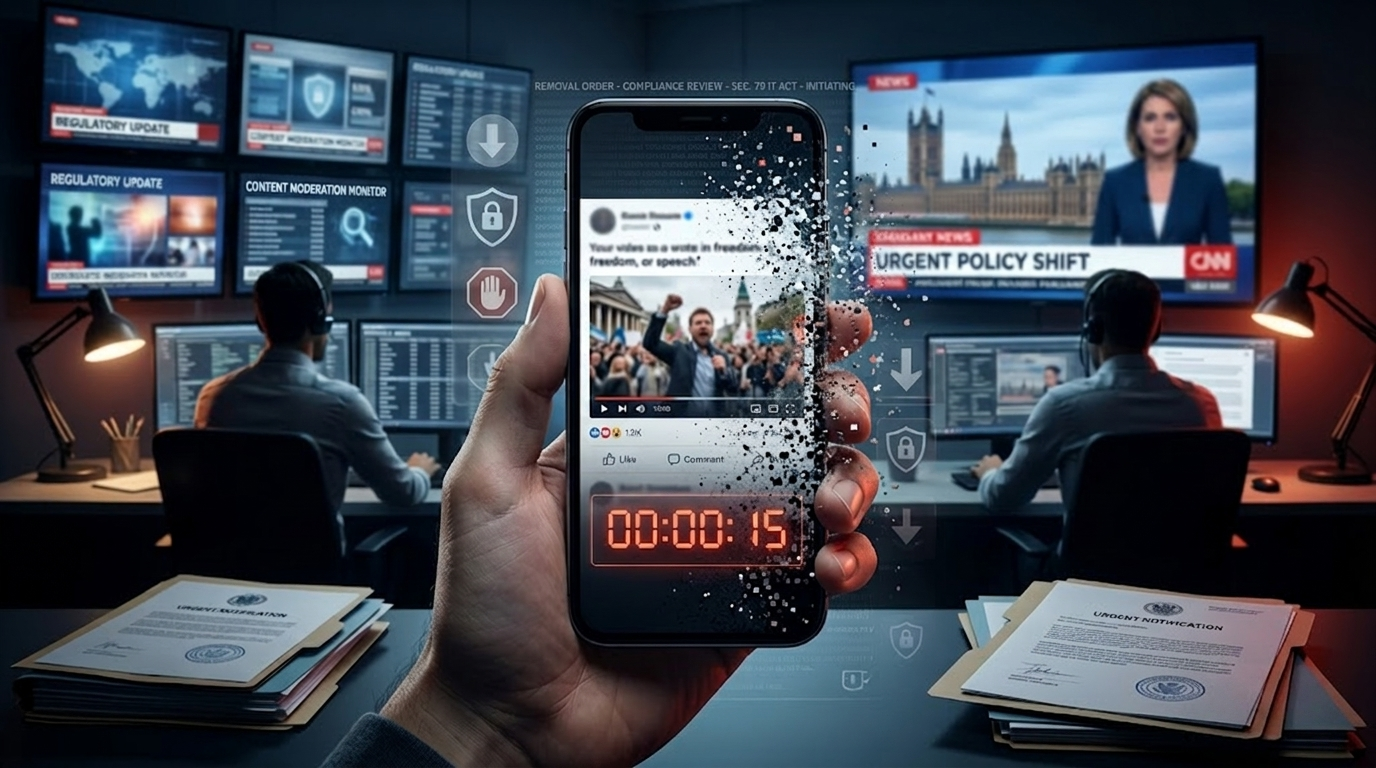
If platforms believe that non-compliance could put that protection at risk, they may choose the safest route for themselves: remove content faster, question less, and avoid conflict. That can create a “delete first, review later” culture.
There is also a wider backdrop to this concern. India’s 2026 compliance environment has already moved toward faster takedown expectations in some areas, including reported 3-hour removal requirements for certain unlawful or synthetic-media content after valid notice.
That is why critics worry that fast timelines combined with broad definitions can make digital speech more fragile.
Why does this matter to normal users?
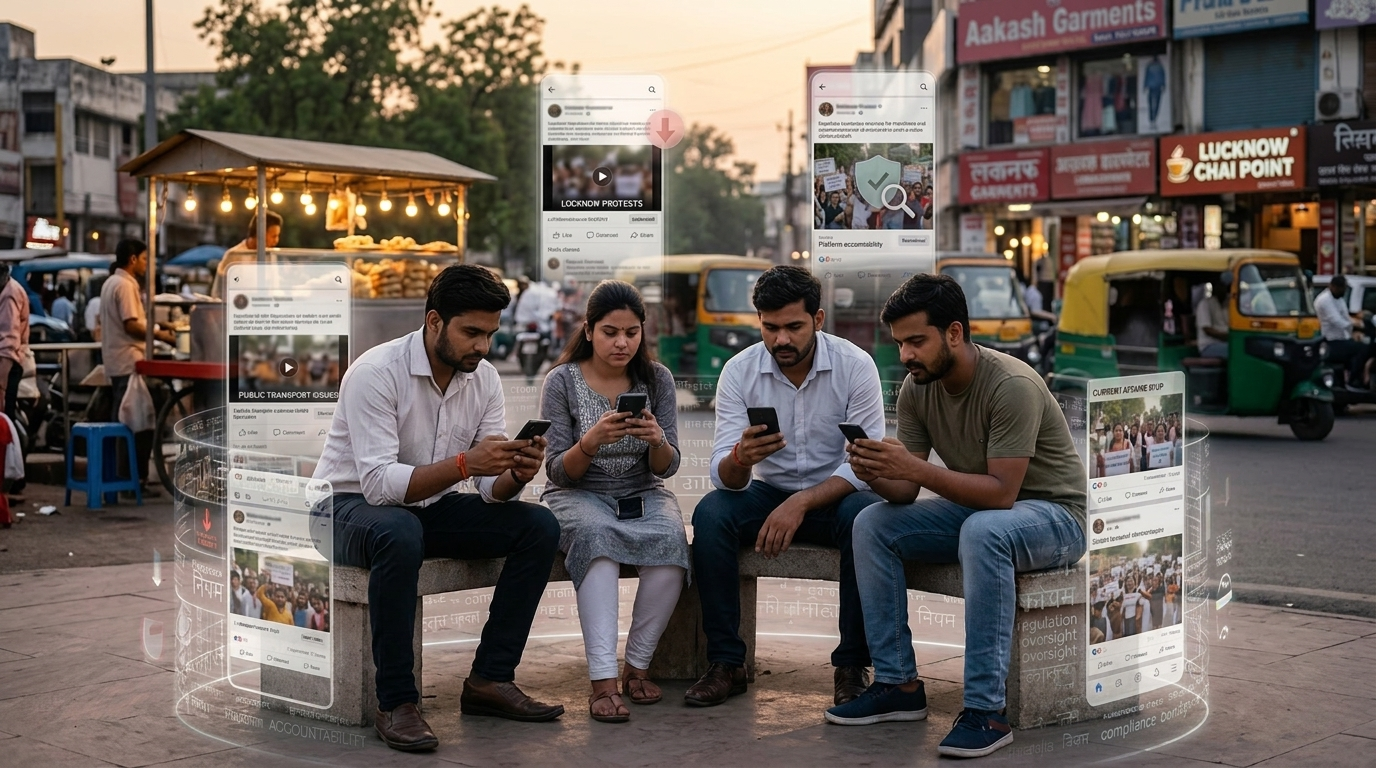
Because social media is no longer only for entertainment.
Today, people learn about accidents, scams, protests, corruption claims, policy decisions, and local reality through creators, citizen reporters, activists, and independent pages. In many cases, people see something on social media before they ever see it on television.
That is exactly why these draft rules have triggered debate: supporters may call it necessary regulation, but critics see a risk of tighter control over public conversation.
And that raises an uncomfortable question:
If social media has become the place where uncomfortable truths often surface first, will stricter rules protect people — or silence them?
Does this mean every creator is in danger?
Not automatically.
This is still a draft, not the final word. It does not mean every creator will suddenly be banned, and it does not mean every political or social post will disappear.
But it does mean creators, platforms, journalists, and digital rights groups are paying very close attention. The concern is not just what the rules say today, but how they could be interpreted tomorrow.
That is often where real fear begins — not only in the law itself, but in the uncertainty around how broadly it may be used.
What can people do?
Since this was released as a draft for public consultation, people were given a chance to respond, suggest changes, and raise objections before the deadline.
Public consultations matter because laws affecting online speech should not be shaped in silence. Reports around the draft noted that the government had invited comments until 14 April 2026.
For creators and citizens, this is not just a policy update. It is a reminder that the internet is no longer a completely open field. It is now a space where law, politics, speech, platforms, and public pressure all collide.
This issue is bigger than influencers, bigger than news pages, and even bigger than one draft amendment.

It is really about one basic question:
Who gets to decide what India can see, discuss, criticize, or question online?
If these rules move forward in a stricter form, the impact may not be felt only by media companies. It may reach individual creators, small pages, independent commentators, and even ordinary users who speak about real-world events.
And that is why this conversation matters.
Digital freedom is not only about posting content. It is also about protecting the right to question, report, and speak without fear of disappearing in silence.
People can send emails to the department with their objections, suggestions, or requested amendments before the consultation deadline.
👉 cyberlaw@meity.gov.in. Consultation deadline 14 April 2026